

Successful digital marketing begins long before a business creates an advertisement, publishes a social media post or launches a new campaign. It begins with understanding the people the business wants to reach.
Every customer has different needs, interests, challenges and purchasing motivations. Some customers are actively searching for a solution, while others are only beginning to recognise a problem. Some prefer detailed educational content, while others respond better to product demonstrations, customer experiences or straightforward comparisons.
When businesses understand these differences, they can create marketing messages that are more relevant, useful and persuasive.
Understanding your target audience is therefore one of the most important foundations of an effective digital marketing strategy.
Rather than attempting to reach everyone with the same message, audience-focused marketing helps businesses identify their ideal customers, understand what matters to them and communicate in ways that encourage meaningful engagement.
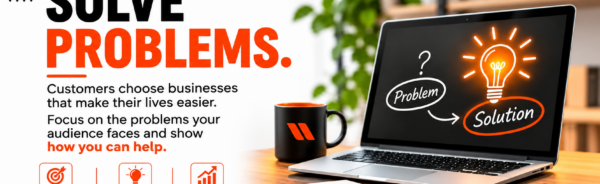
At Media Shoes – Digital Solutions, the message is simple: Know Your Audience. The more you understand your ideal customers, the easier it is to create messages that connect and convert.
This guide explains how to identify your target audience, research customer behaviour, develop useful customer profiles and use audience insights to make smarter marketing decisions.
What Is a Target Audience in Digital Marketing?
A target audience is a defined group of people a business wants to reach through its marketing activities.
These individuals share characteristics, interests, needs or behaviours that make them potentially relevant customers.
A target audience may be defined using demographic information, geographic location, professional characteristics, interests, purchasing behaviour or specific problems customers want to solve.
For example, a company offering business accounting software might target small business owners who need help managing invoices, expenses and financial reporting.
A fitness brand might focus on people interested in home workouts, while a recruitment platform may target professionals actively looking for employment.
The purpose of defining a target audience is not to exclude every other potential customer. It is to make marketing more focused and relevant.
Target Audience vs Target Market
Although the terms are sometimes used interchangeably, they describe slightly different concepts.
A target market is the broader group of customers a business intends to serve.
A target audience is the specific group of people a particular marketing message or campaign is designed to reach.
For example, a company’s target market might include small and medium-sized businesses, while a particular advertising campaign targets marketing managers within those organisations.
Understanding this distinction helps businesses develop more precise campaigns.
Why Understanding Your Target Audience Matters
Digital marketing offers many ways to reach potential customers, but visibility alone does not guarantee meaningful results.
A campaign may attract impressions, website visits or social media engagement without reaching people who are likely to benefit from the product or service.
Audience understanding helps connect marketing activity with genuine customer needs.
1. Create More Relevant Marketing Messages
Customers are more likely to pay attention to content that addresses their interests or challenges.
When businesses understand what customers are looking for, they can communicate benefits more clearly.
2. Improve Marketing Resource Allocation
Marketing budgets and team capacity are often limited.
Audience research helps businesses prioritise relevant channels, content formats and customer groups rather than spreading resources across unrelated activities.
3. Support Better Customer Experiences
Understanding customer expectations can improve the information, support and communication provided throughout the buying journey.
4. Strengthen Brand Relationships
Relevant and consistent communication can help build familiarity and trust over time.
5. Make Better Marketing Decisions
Audience insights provide a stronger basis for campaign planning, content development and performance evaluation.
However, research does not eliminate uncertainty. Customer behaviour changes, and marketing assumptions should be tested regularly.
1. Identify Your Ideal Customers
Before developing a marketing strategy, businesses should establish who their products or services are intended to help.
The starting point is understanding the value the business provides.
Ask the Right Questions
Consider the following:
- Who is most likely to benefit from our product or service?
- What problems are these customers trying to solve?
- What motivates them to search for a solution?
- What concerns might prevent them from purchasing?
- Where do they look for information?
- What influences their decisions?
- What makes our offering relevant to their needs?
The answers can help create an initial audience definition.
Analyse Existing Customers
If your business already has customers, review the information available from previous purchases, enquiries and customer interactions.
Look for patterns in the types of customers who buy, the problems they mention and the services they request.
Existing customer information can provide valuable insights, but it may not represent every potential customer.
Identify Your Most Relevant Customer Groups
Not every customer segment will have the same commercial value or needs.
Consider factors such as product suitability, customer demand, accessibility and the resources required to serve each group.
Prioritise segments where your business can provide genuine value.
2. Use Demographic and Geographic Information
Demographic information can help businesses understand broad characteristics of potential customers.
Common demographic factors include:
- Age range.
- Occupation.
- Education.
- Household circumstances.
- Income range, where relevant.
- Professional responsibilities.
Geographic information may include country, region, city or service area.
These details can be useful for planning campaigns, but they should not be treated as complete explanations of customer behaviour.
Why Demographics Alone Are Not Enough
Two customers of similar ages and professional backgrounds may have completely different needs.
For example, two business owners might operate companies of similar sizes, but one may prioritise reducing costs while the other focuses on expanding into new markets.
Effective audience research combines demographic information with interests, behaviours, motivations and actual customer needs.
Businesses should also avoid making unsupported assumptions about individuals based on demographic characteristics.
3. Understand Customer Needs, Challenges and Motivations
One of the most valuable parts of audience research is discovering why customers seek particular products or services.
A customer rarely purchases something simply because a business has advertised it.
Usually, there is an underlying need, goal or problem.
Identify Customer Pain Points
A pain point is a problem or frustration that a customer wants to resolve.
Examples include:
Time-related challenges: Customers want to complete tasks more efficiently.
Financial concerns: Customers need to manage costs or understand the value of a purchase.
Knowledge gaps: Customers need guidance before making a decision.
Operational difficulties: Businesses need solutions to improve processes.
Convenience requirements: Customers want simpler or more accessible experiences.
Understanding these challenges helps businesses create content that addresses real questions.
Explore Customer Motivations
Customers may be motivated by convenience, quality, reliability, professional development, cost-effectiveness or other priorities.
The most relevant motivations depend on the product and audience.
Understand Purchase Barriers
Even interested customers may hesitate before buying.
Common concerns include pricing, uncertainty about suitability, lack of information and unfamiliarity with the provider.
Marketing content should address genuine concerns clearly rather than relying on exaggerated claims.
4. Conduct Target Audience Research
Audience research turns assumptions into questions that can be investigated.
Businesses can use several research methods depending on their resources and objectives.
Customer Surveys
Surveys can help collect information about customer preferences, experiences and expectations.
Keep questions clear and focused.
Avoid leading questions that encourage a particular answer.
Customer Interviews
One-to-one conversations can reveal detailed insights into customer decision-making.
Ask open-ended questions and encourage customers to explain their experiences.
Customer Feedback
Reviews, support enquiries and feedback forms may highlight recurring concerns or areas for improvement.
Website Analytics
Website analytics can provide information about traffic sources, popular content and visitor interactions.
The available information depends on the analytics platform, consent settings and data collection arrangements.
Social Media Insights
Social media platforms may provide aggregated information about content engagement and audience characteristics.
These insights can help businesses understand which topics and formats attract attention.
Search Behaviour Research
Keyword research can reveal the questions and topics people search for online.
This is particularly useful when developing educational content and search engine optimisation strategies.
5. Create Buyer Personas for Better Marketing
A buyer persona is a research-informed representation of a customer segment.
Personas help marketing teams organise audience insights and create more relevant communications.
A useful persona should reflect evidence rather than stereotypes.
What Should a Buyer Persona Include?
Depending on the business, a persona may describe:
- Professional role or customer situation.
- Main goals.
- Common challenges.
- Information needs.
- Purchase motivations.
- Decision-making considerations.
- Preferred communication channels.
- Common questions or objections.
Example Buyer Persona
Consider a hypothetical digital marketing business targeting small company owners.
Persona: Growing Business Owner
Primary goal: Attract more relevant customer enquiries.
Main challenge: Limited time and uncertainty about which marketing channels to prioritise.
Information needs: Practical advice about websites, content marketing and advertising performance.
Decision-making considerations: Cost, suitability, clarity of service and expected business value.
Preferred content: Straightforward guides, examples and explanations.
This persona can guide content planning, but it should be refined using actual customer research.
Avoid Creating Too Many Personas
An excessive number of personas can make marketing planning unnecessarily complicated.
Begin with the most relevant customer segments and expand only when evidence supports doing so.
6. Segment Your Audience for More Relevant Campaigns
Audience segmentation involves dividing a broader audience into smaller groups based on meaningful differences.
Segmentation allows businesses to adapt marketing messages to specific customer needs.
Demographic Segmentation
Groups customers using relevant demographic characteristics.
Geographic Segmentation
Organises audiences according to location or service area.
Behavioural Segmentation
Considers actions such as previous purchases, website interactions or engagement with marketing communications.
Needs-Based Segmentation
Groups customers according to the problems they want to solve.
Customer Journey Segmentation
Distinguishes between people who are discovering a problem, evaluating options or preparing to make a purchase.
Example of Audience Segmentation
A digital marketing company might communicate differently with:
- A new business owner who needs basic marketing guidance.
- An established company seeking to improve website enquiries.
- An e-commerce business reviewing advertising performance.
- A marketing manager evaluating external support.
Each group may benefit from different content and messages.
Segmentation should remain practical, relevant and compliant with applicable privacy and data protection requirements.
7. Understand the Customer Journey
The customer journey describes the stages people may move through when identifying a need, researching options and making a decision.
Although journeys are not always linear, a simple framework can help businesses plan useful content.
Awareness Stage
The customer recognises a problem or goal.
At this stage, educational content is often valuable.
Examples include blog articles, introductory guides and explanatory videos.
Consideration Stage
The customer explores possible solutions.
Useful content may include comparisons, practical examples and detailed service information.
Decision Stage
The customer evaluates specific options.
Clear pricing information, service details, relevant evidence and accessible contact options can support decision-making.
Post-Purchase Stage
The relationship continues after the initial transaction.
Helpful onboarding information, support resources and relevant communication can improve the customer experience.
Understanding these stages helps businesses provide appropriate information at the right time.
8. Create Content That Connects With Your Audience
Content marketing becomes more effective when it responds to genuine audience interests and questions.
Instead of producing content solely to promote a product, businesses should consider what their customers need to understand.
Focus on Customer Questions
Review enquiries, interviews and search research to identify common questions.
For example, customers considering digital marketing support might ask:
- How can I attract more customers online?
- Which marketing channels should I prioritise?
- How do I measure campaign performance?
- What makes a business website effective?
- How can I improve the quality of enquiries?
These questions can become useful blog topics, videos or educational posts.
Use Clear Language
Avoid unnecessary jargon.
Explain technical concepts in ways that match the audience’s knowledge and experience.
Match Content Formats to Customer Preferences
Different formats serve different purposes.
Blog articles can explain detailed topics, while short videos may demonstrate concepts quickly.
Infographics can summarise information, and case studies can provide practical examples when supported by accurate evidence.
Include Relevant Calls to Action
A call to action should help the reader understand the next appropriate step.
Depending on the content, this might involve reading another guide, exploring a service or submitting an enquiry.
Avoid forcing an immediate sales message into every piece of content.
9. Choose the Right Digital Marketing Channels
Knowing your audience helps determine where to focus marketing activity.
Not every channel is appropriate for every business.
Search Engine Optimisation
SEO helps make relevant website content discoverable through organic search results.
It can be particularly useful when customers actively search for information, products or services.
Social Media Marketing
Social platforms can support awareness, engagement and community interaction.
The most suitable platform depends on the audience and business objectives.
Email Marketing
Email can support communication with subscribers and existing customers.
Businesses should follow applicable consent, privacy and marketing rules.
Paid Advertising
Paid search and social advertising can help reach selected audiences.
Campaign performance depends on factors including targeting, messaging, competition, landing page quality and budget.
Content Marketing
Educational and informative content can help customers understand problems and evaluate potential solutions.
The right marketing mix should be based on audience research and performance evidence, not simply on platform popularity.
10. Use Audience Insights to Improve SEO
Understanding your target audience is closely connected to search engine optimisation.
SEO is not only about identifying keywords with search volume.
It is also about understanding why people search and what information they expect to find.
Identify Search Intent
Common search intents include:
Informational: The user wants to learn something.
Navigational: The user wants to find a particular website or organisation.
Commercial investigation: The user is comparing options before making a decision.
Transactional: The user is ready to complete an action, such as purchasing or requesting a service.
Match Content to Search Intent
A person searching for “what is audience segmentation” is likely looking for an explanation.
Someone searching for “digital marketing services for small businesses” may be evaluating providers.
These searches require different types of content.
Use Natural Keywords
Include relevant terms in page titles, headings and body content where they improve clarity.
Avoid repeating keywords unnecessarily.
Answer Questions Thoroughly
Useful content should provide accurate explanations, practical examples and clear answers.
Audience-focused SEO prioritises the reader’s needs rather than writing solely for search engines.
11. Personalise Marketing Without Compromising Privacy
Personalisation involves adapting communications according to relevant customer information or preferences.
For example, an email subscriber interested in a particular service may benefit from receiving related educational content.
However, personalisation should be handled responsibly.
Collect Information Transparently
Explain what information is collected and how it will be used.
Use Appropriate Permissions
Ensure marketing activities comply with applicable consent and data protection requirements.
Avoid Unnecessary Data Collection
Collect only the information needed for a legitimate purpose.
Respect Customer Preferences
Provide appropriate ways for people to manage communication preferences or unsubscribe.
Protect Customer Information
Use suitable organisational and technical safeguards.
Effective audience marketing should build trust rather than make customers feel that their privacy is being disregarded.
12. Measure Whether Your Marketing Is Reaching the Right People
Audience understanding should inform performance measurement.
High traffic or engagement figures are not automatically signs of commercial success.
Businesses should select metrics that reflect their objectives.
Website Engagement
Review whether visitors interact with relevant pages and content.
Conversion Rate
Conversion rate measures the proportion of relevant users or sessions that complete a defined action.
The exact calculation depends on the analytics setup.
Lead Quality
For lead-generation businesses, consider whether enquiries come from customers who match the intended audience.
Customer Acquisition Cost
Customer acquisition cost compares relevant acquisition spending with the number of customers acquired over a defined period.
Businesses should use consistent definitions when calculating this metric.
Email Engagement
Email reporting may provide information about clicks and other interactions.
Open-rate data can be affected by privacy features and should be interpreted cautiously.
Customer Feedback
Direct feedback can reveal whether marketing messages accurately communicate the product or service.
No single metric provides a complete picture.
Combining quantitative data with customer research usually supports better decisions.
13. Test and Refine Your Marketing Messages
Audience research provides a starting point, but marketing performance should be tested.
A message that appears persuasive internally may not resonate with actual customers.
Test Headlines
Compare different approaches to communicating the same value proposition.
Review Calls to Action
Evaluate whether the wording and placement of calls to action help users understand what to do next.
Compare Content Formats
Assess whether particular audiences respond better to detailed articles, videos, demonstrations or other formats.
Review Landing Pages
Consider whether the landing page matches the expectations created by the advertisement or search result.
Use Controlled Experiments Where Practical
A/B testing can compare two versions of a marketing element.
For meaningful conclusions, businesses should consider sample size, test duration and the reliability of the results.
Avoid making major decisions based on very small or unrepresentative datasets.
14. Common Target Audience Marketing Mistakes
Businesses can undermine their marketing efforts by making assumptions about their customers.
Trying to Appeal to Everyone
Broad messaging may fail to address the specific needs of any particular group.
Relying Only on Demographics
Demographic characteristics do not fully explain customer motivations.
Creating Content Without Research
Content based solely on internal preferences may overlook what customers actually want to know.
Ignoring Customer Feedback
Repeated questions and complaints can reveal important information about communication gaps.
Choosing Channels Without Evidence
A popular platform is not necessarily the right channel for every audience.
Focusing Only on Engagement
Likes and impressions may indicate attention, but they do not always demonstrate business value.
Failing to Update Audience Profiles
Customer needs, market conditions and purchasing behaviours can change.
Audience research should be reviewed periodically.
15. A Practical Target Audience Strategy for Businesses
Businesses can use the following process to develop a more audience-focused marketing approach.
Step 1: Define Your Business Objective
Decide whether your priority is awareness, enquiries, sales, retention or another measurable outcome.
Step 2: Identify Potential Customer Groups
Review existing customers, market information and relevant product needs.
Step 3: Research Customer Challenges
Use interviews, surveys, feedback and available analytics to understand customer priorities.
Step 4: Create Audience Segments
Group customers according to meaningful differences in needs or behaviour.
Step 5: Develop Customer Profiles
Document the characteristics, motivations and questions associated with important segments.
Step 6: Map the Customer Journey
Identify the information customers need at different stages.
Step 7: Create Relevant Content
Develop messages that answer questions, address concerns and explain value clearly.
Step 8: Select Appropriate Channels
Prioritise platforms and communication methods that align with audience behaviour.
Step 9: Measure Performance
Track metrics connected to your objectives.
Step 10: Refine Your Approach
Use evidence and feedback to improve future campaigns.
This process creates a practical foundation for more informed marketing decisions.
Media Shoes: Connecting Audience Understanding With Smarter Marketing
The Media Shoes – Digital Solutions campaign, Know Your Audience, highlights a central principle of digital marketing: understanding customers helps businesses communicate more effectively.
The campaign focuses on three essential priorities.
Understand Their Needs
Before creating a campaign, identify the problems, expectations and motivations of the people you want to reach.
Customer research provides the foundation for relevant messaging.
Create Relevant Content
Use audience insights to develop content that answers genuine questions and communicates useful information.
Relevant content helps customers understand how a product or service may address their needs.
Make Better Marketing Decisions
Use research, analytics and performance feedback to guide marketing activity.
Instead of relying entirely on assumptions, businesses can make decisions based on available evidence.
Together, these principles encourage a more customer-focused approach to digital marketing.
Conclusion: Know Your Audience Before You Create Your Message
Understanding your target audience is essential for building a digital marketing strategy that connects with the right people.
When businesses know who their customers are, what challenges they face and how they make decisions, they can develop more relevant content, choose appropriate marketing channels and evaluate campaign performance more effectively.
Audience research is not a one-time task.
Customer expectations evolve, new competitors emerge and purchasing behaviours change. Businesses that continue listening, learning and refining their approach are better positioned to respond to these developments.
At Media Shoes – Digital Solutions, the message is clear:
Know Your Audience. Create Messages That Connect and Convert.
Start with customer understanding, develop content around real needs and use performance insights to make smarter marketing decisions.
Ready to take a more audience-focused approach to your digital marketing?
Visit www.mediashoes.com to learn more about Media Shoes – Digital Solutions.
For enquiries, contact info@mediashoes.com.
Let’s Grow Together.