

Every business wants to grow, but achieving meaningful results requires more than simply spending money on marketing. It requires making strategic decisions about where your budget will have the greatest impact.
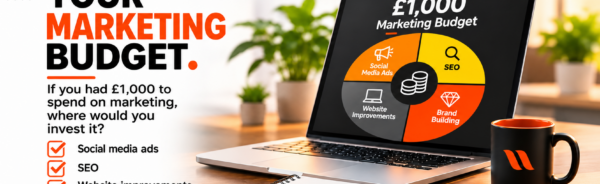
Imagine having £1,000 to invest in your business’s marketing efforts. Would you spend it on social media advertising, search engine optimisation, website improvements, or building your brand?
Each option offers valuable opportunities. The challenge is understanding which investments align with your business goals and how to create a balanced approach that supports sustainable growth.
Why Your Marketing Budget Matters
A marketing budget is more than a financial allocation. It is a tool that helps businesses prioritise activities, measure performance, and work towards specific objectives.
Without a clear strategy, businesses risk spending money on activities that generate attention without producing meaningful results.
A well-planned marketing budget helps businesses:
- Focus resources on activities that support business objectives.
- Reach the right audience through appropriate marketing channels.
- Build awareness and credibility in competitive markets.
- Track marketing performance and identify opportunities for improvement.
- Balance immediate customer acquisition with long-term brand development.
1. Social Media Advertising: Reach Your Target Audience
Social media advertising allows businesses to promote their products and services to audiences based on factors such as interests, demographics, and online behaviour.
Platforms such as Facebook, Instagram, and LinkedIn offer advertising tools that can help businesses increase visibility, generate website traffic, and encourage enquiries.
For businesses seeking immediate exposure, paid social media campaigns can provide an opportunity to reach potential customers relatively quickly.
How to Make the Most of Social Media Advertising
- Define your ideal customer before launching a campaign.
- Choose platforms that align with your target audience.
- Create clear, engaging advertisements with relevant calls to action.
- Test different messages and creative formats.
- Monitor campaign performance and adjust spending accordingly.
Rather than investing your entire budget in one campaign, consider testing smaller campaigns first to identify which approaches generate the strongest response.
2. Search Engine Optimisation: Invest in Long-Term Visibility
Search Engine Optimisation (SEO) focuses on improving a website’s visibility in relevant search engine results.
Unlike paid advertising, which generally stops generating paid exposure when a campaign ends, effective SEO can continue attracting visitors over time.
For businesses operating with limited marketing budgets, SEO can be a valuable long-term investment.
Where to Focus Your SEO Budget
- Research keywords relevant to your products and services.
- Optimise website titles, headings, and descriptions.
- Create informative content that answers customer questions.
- Improve website navigation and mobile usability.
- Address technical issues that affect search engine accessibility.
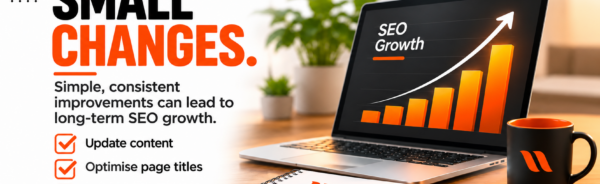
SEO results usually take time, but consistent improvements can strengthen your online presence and help potential customers discover your business.
3. Website Improvements: Turn Visitors into Customers
Your website is often the central destination for your digital marketing activities.
Whether customers discover your business through social media, search engines, or online advertisements, they may visit your website before deciding whether to make contact or purchase.
A website that is difficult to navigate, slow to load, or unclear about its services can discourage potential customers.
Website Improvements Worth Prioritising
- Improve loading speed and mobile responsiveness.
- Make important information easy to find.
- Use clear calls to action throughout the website.
- Simplify contact forms and enquiry processes.
- Ensure product and service descriptions communicate value.
Even relatively small website improvements can create a smoother customer experience and support better conversion opportunities.
4. Brand Building: Create Recognition and Trust
Brand building focuses on how customers recognise, understand, and remember your business.
A strong brand goes beyond a logo or colour palette. It includes your messaging, visual identity, values, and the overall experience customers associate with your business.
Consistent branding helps businesses establish a recognisable presence across different marketing channels.
Ways to Strengthen Your Brand
- Develop consistent visual elements across marketing materials.
- Use a clear and recognisable brand voice.
- Communicate what makes your business different.
- Share valuable content that reflects your expertise.
- Maintain consistent messaging across your website and social media platforms.
Brand building may not always generate immediate sales, but it can contribute to customer confidence, recognition, and long-term loyalty.
5. How Could You Divide a £1,000 Marketing Budget?
There is no universal formula for allocating a marketing budget. The right approach depends on your business objectives, existing digital presence, target audience, and growth priorities.
However, the following example demonstrates how a small business might distribute £1,000 across four marketing activities.
| Marketing Activity | Budget Allocation | Primary Objective |
|---|---|---|
| Social Media Advertising | £350 | Increase reach and generate enquiries |
| Search Engine Optimisation | £300 | Improve long-term search visibility |
| Website Improvements | £200 | Improve user experience and conversions |
| Brand Building | £150 | Strengthen recognition and consistency |
| Total | £1,000 | Support balanced marketing growth |
This allocation is illustrative rather than a guaranteed formula for success.
A business with a poorly functioning website may need to prioritise website improvements before investing heavily in advertising. Similarly, a business seeking immediate enquiries may allocate more resources to paid campaigns.
The most effective strategy begins with understanding what your business needs most.
6. Measure Results Before Increasing Your Spending
Marketing success should not be measured by spending alone.
Businesses should regularly evaluate whether their marketing activities are contributing to meaningful outcomes.
Useful performance indicators include:
- Website traffic and visitor engagement.
- Customer enquiries and lead generation.
- Conversion rates.
- Cost per lead or customer acquisition.
- Search engine visibility.
- Return on marketing investment.
Tracking performance helps businesses identify which activities deserve continued investment and which strategies may require adjustment.
Making Every Pound Count
A successful marketing strategy is not necessarily determined by the size of your budget. It is shaped by how effectively you use the resources available.
Social media advertising can generate exposure, SEO can support long-term discoverability, website improvements can strengthen customer experiences, and brand building can establish recognition and trust.
When these activities work together, businesses can create a more connected and effective marketing approach.
The goal is not simply to spend £1,000. It is to invest that £1,000 in activities that support measurable business objectives.
Grow Strategically with Media Shoes
At Media Shoes, we understand that every business has different marketing priorities, challenges, and growth ambitions.
Developing a clear digital strategy can help businesses make informed decisions about their marketing investments and create stronger connections with their target audiences.
Whether your focus is improving online visibility, strengthening your brand, or creating a better digital experience, thoughtful planning is the foundation of effective marketing.
Your budget matters. Your strategy matters more.
Explore how Media Shoes can support your digital marketing goals.
Website: www.mediashoes.com
Email: info@mediashoes.com