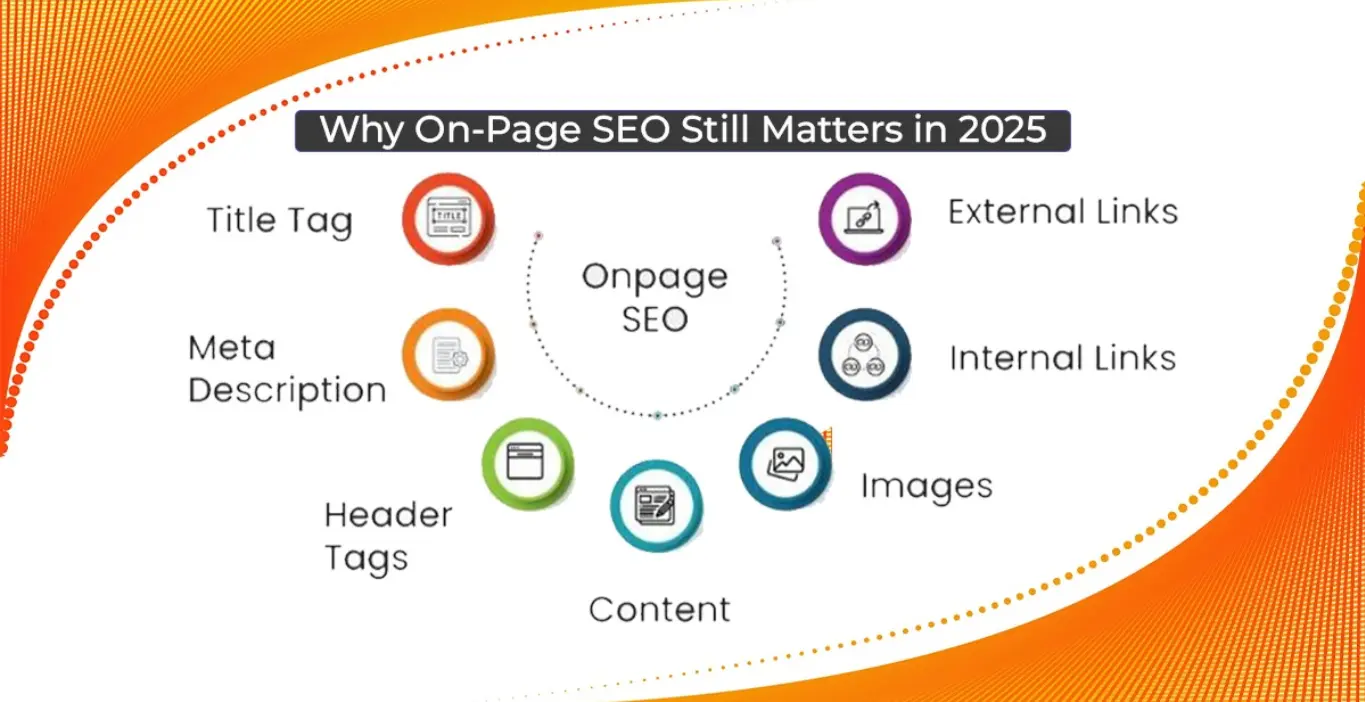
Search engines continue to evolve, but one thing remains consistent: pages that are structured properly, contain relevant information, and offer positive user experiences rank higher. For small businesses with limited budgets, focusing on on-page SEO ensures long-term visibility without costly campaigns. The On-Page SEO checklist you follow today directly determines how discoverable your business will be tomorrow.
The Complete On-Page SEO Checklist for Small Businesses (2025)
Below is a modern, easy-to-follow checklist designed specifically for small businesses trying to grow their organic presence.
1. Optimize Page Titles With the Focus Keyword
Your page title is one of the strongest signals for search engines. The title should naturally contain the focus keyword On-Page SEO checklist and clearly indicate the purpose of the content. Keeping titles concise, compelling, and under 60 characters helps your pages display properly in search results.
2. Write Strong Meta Descriptions
While not a direct ranking factor, meta descriptions influence click-through rate. A well-crafted description that includes your focus keyword, explains the value of the page, and encourages action can significantly improve performance. Aim for 150–160 characters so your description displays fully.
3. Include the Focus Keyword Early in the Content
Search engines pay attention to the beginning of your article to understand its relevance. That’s why the phrase On-Page SEO checklist appears in the introduction of this article. This signals the topic immediately and reinforces the main focus of the page.
4. Use Clear Headings for Structure and Readability
Heading structure (H1, H2, H3) helps both search engines and readers navigate your content. A clean, logical layout keeps users engaged, reduces bounce rates, and improves content comprehension. Using the focus keyword in at least one heading strengthens topical relevance without feeling forced.
5. Create Clean and Search-Friendly URLs
A short, well-structured URL improves user trust and ranking potential. Including your keyword when appropriate helps reinforce the topic. Avoid long, confusing URLs or ones with unnecessary parameters.
6. Publish High-Quality, Keyword-Optimized Content
Content quality remains the most important on-page factor in 2025. Your writing should be informative, helpful, and relevant to the needs of your audience. The focus keyword should appear naturally throughout the content at a healthy density of around 1–2%, ensuring optimization without keyword stuffing.
High-quality content also makes visitors stay longer, which boosts engagement metrics and improves SEO.
7. Add Internal and External Links Thoughtfully
Internal links guide users to related pages on your website, helping them spend more time exploring your content. External links to reputable sources add credibility and context. When linking, use text that clearly describes what users can expect when clicking.
8. Optimize Images for Speed and Search Visibility
Images play a critical role in user engagement but can slow down a website if not properly optimized. Using descriptive alt text that includes the focus keyword (where relevant) improves your chances of ranking in image search results. Compressing images and using modern formats ensures fast loading across all devices.
9. Improve Page Speed and Core Web Vitals
Google continues to prioritize user experience metrics such as loading time, responsiveness, and visual stability. A slow website leads to lost traffic and lower rankings. Improving hosting quality, compressing files, minifying scripts, and using caching technologies can dramatically enhance performance. Aim for an LCP (Largest Contentful Paint) of under 2.5 seconds to remain competitive.
10. Ensure Mobile-Friendly Design
Most users now browse from mobile devices, and Google indexes pages using mobile-first criteria. Your website should be responsive, visually appealing, and easy to navigate on small screens. Fast loading and touch-friendly elements make a big difference for user experience and SEO.
11. Use Schema Markup to Stand Out
Structured data helps search engines understand your content more effectively and increases opportunities for rich search results. Adding schema for articles, FAQs, and small businesses can improve visibility and click-through rates. While not mandatory, schema markup offers a competitive advantage with relatively little effort.
12. Strengthen the Overall User Experience
User experience influences how visitors interact with your website, which directly impacts SEO. Clear navigation, readable text, engaging visuals, and logical content flow encourage users to stay longer. Reducing intrusive elements such as unnecessary pop-ups or auto-playing media improves satisfaction and contributes to better ranking signals.
13. Add Clear Calls-to-Action (CTAs)
On-page SEO is not only about ranking, but it’s about converting visitors into customers. Effective CTAs guide users toward the next step, whether it’s booking a service, requesting a quote, or signing up for updates. Strategic placement of CTAs improves engagement and encourages users to take meaningful action.
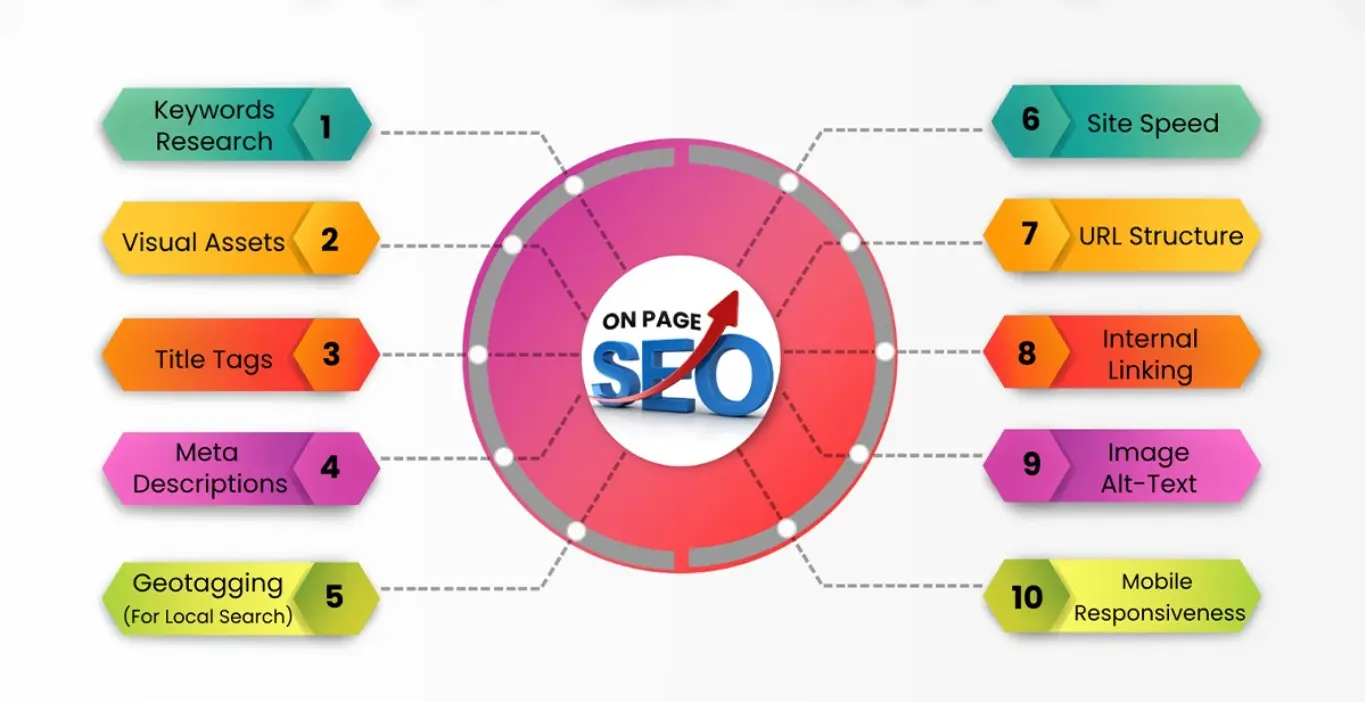
FAQs
- How often should I update my On-Page SEO Checklist?
It’s best to revisit your on-page SEO every few months or whenever you publish new content to keep your website aligned with current ranking practices. - Is keyword density still important in 2025?
Yes, but lightly. The focus keyword should appear naturally throughout the content without being overused. Aim for a balanced density around 1–2%. - Do small businesses really need schema markup?
Schema is not mandatory, but it increases the chances of appearing in enhanced search results such as rich snippets, which can significantly improve visibility. - What is the most important element of on-page SEO?
High-quality, relevant content paired with strong technical performance. These two elements consistently deliver the biggest ranking improvements.
Final Thoughts
Applying this On-Page SEO checklist is one of the most powerful and budget-friendly strategies small businesses can use to grow organically in 2025. Every optimization, from page titles to content structure and load speed, contributes to a more visible, efficient, and user-friendly website. When these elements work together, they build a strong foundation that supports long-term marketing success.